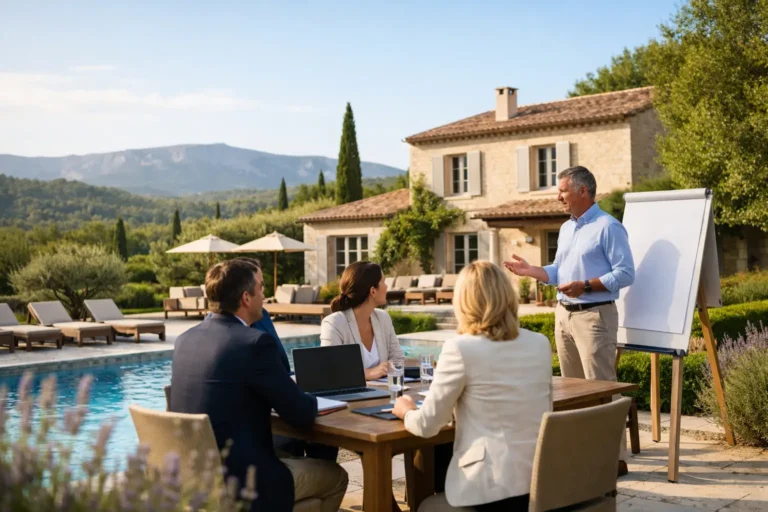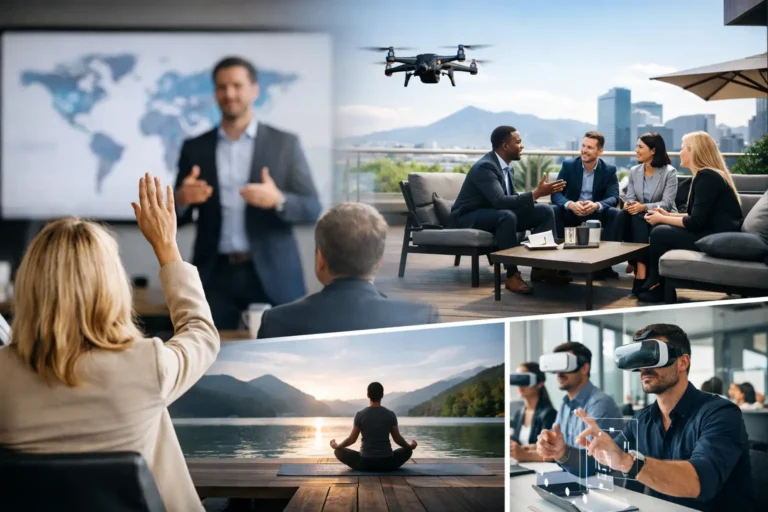

Organising a successful corporate event requires much more than finding a venue and confirming a few suppliers. Whether you are preparing a seminar, a convention, an incentive trip, a team-building activity or a bespoke corporate evening, every detail contributes to the quality of the experience.
The most memorable events are rarely improvised. They are built step by step, with a clear vision, the right partners and enough time to make the best decisions. Starting the planning process 6 to 12 months in advance gives your company the opportunity to secure the best options, control the budget and create an event that is truly aligned with your objectives.
Secure the best venues and event suppliers
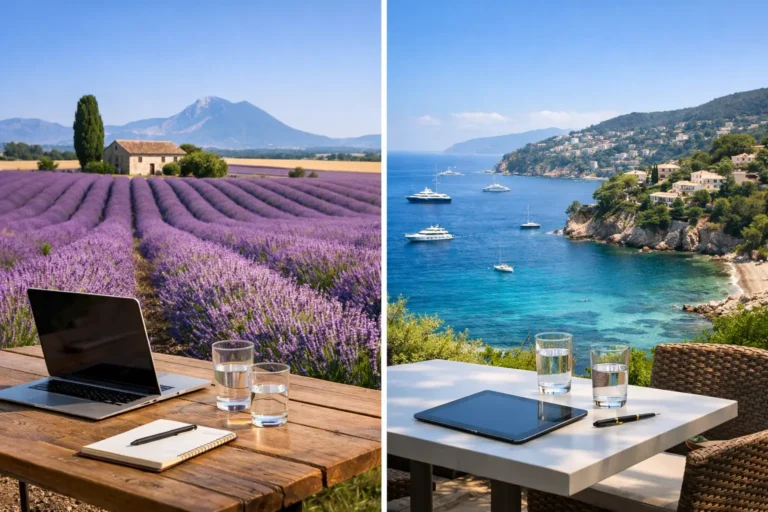
The most sought-after venues, hotels, meeting spaces, activity providers and technical suppliers are often booked several months in advance. This is especially true during peak periods, major congress dates, spring and autumn seminar seasons, or in high-demand destinations such as Provence, the French Riviera or major European cities.
Planning early gives you access to a wider selection of solutions. Instead of choosing from what is still available at the last minute, you can select the venue that best matches your group size, your positioning, your logistical constraints and the experience you want to create.
This anticipation also allows you to work with trusted suppliers. Catering, transport, audiovisual production, entertainment, accommodation and activity management all require reliable partners. Choosing them early is one of the best ways to secure quality and reduce uncertainty.
Optimise your budget and avoid last-minute costs
A corporate event budget is easier to manage when it is anticipated. Planning several months in advance provides a clearer view of the main cost items: venue rental, accommodation, transport, catering, technical services, activities, branding, staffing and contingency costs.
This lead time allows you to compare proposals properly, negotiate with more flexibility and make decisions without unnecessary pressure. It also helps avoid last-minute expenses, which often appear when availability becomes limited or urgent solutions need to be found.
By planning ahead, your company can allocate the budget more effectively and make informed trade-offs. A well-structured budget does not necessarily mean spending more. It means investing in the right elements to maximise the impact of the event.
Build a coherent and tailor-made event experience
A successful corporate event is not just a programme. It is an experience with a clear purpose. Are you looking to reward your teams, launch a new strategy, strengthen cohesion, thank clients, celebrate a milestone or bring employees together after a period of change?
When the planning starts early, there is more time to define the intention of the event and translate it into concrete choices. The venue, the agenda, the activities, the scenography, the catering, the communication and the rhythm of the programme can all be designed to support the same message.
This is what makes the difference between a standard event and a truly bespoke experience. With enough preparation time, every element can be adjusted to your company culture, your audience and your strategic objectives.
Anticipate logistics and reduce operational risks
Logistics are often what guests notice only when something goes wrong. Transfers that are too long, unclear schedules, rooming-list issues, technical problems, poor signage or badly managed transitions can quickly affect the overall perception of the event.
Planning your event 6 to 12 months in advance gives you time to identify potential difficulties and solve them before they become problems. Transport, accommodation, timings, technical requirements, safety, accessibility, dietary needs and compliance constraints can all be anticipated with greater precision.
This preparation helps create a smoother experience for participants and a more controlled run-of-show for the organising team. On the day of the event, anticipation becomes invisible — but it is precisely what allows everything to feel fluid and effortless.
Improve communication and participant engagement
An event starts long before guests arrive on site. Early communication plays a key role in building anticipation and encouraging participation. Save-the-date messages, pre-registration forms, teaser content, practical information and internal updates all help participants understand the value of the event.
When communication is rushed, the event can feel secondary or unclear. When it is planned in advance, it becomes part of the experience. Participants have time to organise their agenda, understand the objectives and look forward to the programme.
This is particularly important for seminars, conventions and incentive trips that involve travel, overnight stays or several days away from the office. The earlier the information is shared, the easier it is to mobilise teams and secure strong attendance.
Create more value from your event investment
A corporate event represents a significant investment, both financially and in terms of time. Planning early helps ensure that this investment produces real value.
The event can then be integrated into a broader communication or management strategy. It can support internal transformation, reinforce employer branding, strengthen client relationships, reward performance or create stronger alignment among teams.
With the right preparation, the event is no longer just a date in the calendar. It becomes a strategic tool, designed to generate lasting impact before, during and after the event.
When should you start planning your corporate event?
As a general rule, starting 6 to 12 months in advance is recommended for most corporate event projects. For large conventions, international incentive trips, high-demand destinations or events involving accommodation, an even longer lead time may be useful.
For smaller formats, shorter timelines can sometimes work, but they often reduce flexibility and choice. The earlier the project is launched, the easier it is to build a programme that is creative, coherent and realistic.
The best timing also depends on the season, the number of participants, the destination, the level of customisation and the complexity of the logistics. This is why the first step should always be a clear briefing: objectives, audience, budget, dates, location preferences and expected experience.
Start planning today for a successful corporate event
At OLEIS Travel Events, we support companies in designing and organising seminars, conventions, incentive trips, team-building activities and bespoke corporate events in France and internationally.
From venue sourcing to logistics, from activity design to supplier coordination, we help companies transform their objectives into meaningful and memorable experiences.
Planning ahead is one of the best ways to secure quality, control costs and create an event that truly reflects your company’s ambitions.
Do you have an upcoming corporate event project? Our team is available to provide personalised support and help you design an experience tailored to your objectives, your participants and your budget.
You can also explore our curated seminar scenarios and partner network in Provence here: https://oleis-travelevents.org/seminaires/provence/